
A Valley-specific service, not a statewide one
HOA-Compliant Spray Foam Roofing for Phoenix Master-Planned Communities
A large share of the Valley's newer housing growth sits inside HOA-governed communities with an architectural review committee that has a say over roof color and appearance. We spec spray foam roof coatings to work within those rules — not around them.
Why this page exists
Most of the Valley's growth happened inside an HOA
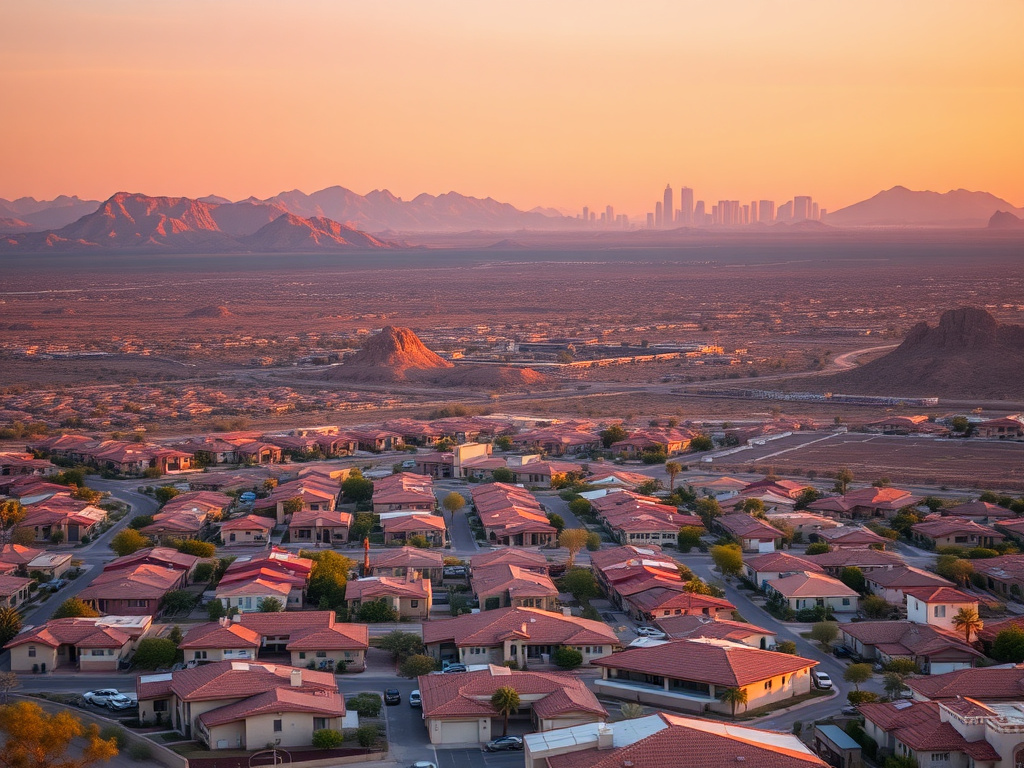
Ahwatukee, Chandler, Gilbert, Paradise Valley, and large stretches of Scottsdale and Mesa built out over the last three to four decades almost entirely as master-planned communities. That means a homeowners association, a set of recorded CC&Rs, and — for most exterior changes, roofing included — an architectural review committee (ARC) that reviews the work before it happens, not after.
Roofing gets caught in that review more than most other exterior work. A new roof color, a recoat that shifts a faded finish back to bright white, or a commercial re-roof visible from a shared parking lot or greenbelt can all trigger the same submission requirement as a paint color change or a fence replacement. We build that step into the project timeline instead of treating it as an afterthought.
It isn't limited to single-family subdivisions, either. HOA-style architectural review shows up on condo and townhome associations, commercial parcels inside larger master-planned developments, and age-restricted communities where design consistency is often written into the CC&Rs just as tightly as a standard subdivision. The pattern holds everywhere: the association's recorded documents set the rules, and its committee decides whether a submission meets them.
Why flat roofs draw more scrutiny
Low-slope roofs are visible in ways pitched shingle roofs aren't
A pitched shingle roof mostly faces the street and the sky. A flat or low-slope SPF roof faces the neighbor's second story, too — and in a lot of Valley subdivisions, two-story homes back onto single-story homes with a clear sightline down onto the roof deck. Community common areas, greenbelt trails, and clubhouse pool decks add more angles that a pitched roof simply doesn't expose.
Some HOAs have gone a step further and now use aerial or drone photography during routine compliance sweeps, which puts a flat roof's color, staining, and ponding history in full view from directly overhead — a vantage point a shingle roof rarely has to account for. The upshot: a coating decision on a low-slope roof is more visible to more people, for longer, than most other exterior finishes in the community.
That extra visibility is exactly why we treat the color and finish conversation as part of the roofing scope, not a side detail to sort out after a coating is already on the roof. A shingle color that reads slightly off from the rest of the block rarely draws a second look. A flat-roof coating that reads slightly off from a community's approved palette is the kind of thing a neighbor, a property manager, or a compliance photo picks up immediately — which is a bad way to find out after the fact.
Two-story sightlines
Neighboring second-story windows and patios look straight down onto flat roof sections that a street-level view never reaches.
Shared common areas
Greenbelts, walking paths, and clubhouse areas put commercial and multi-family flat roofs on display to the whole community, not just one lot.
Aerial compliance checks
Some HOAs now use drone or aerial photography during periodic compliance sweeps, which surfaces staining and ponding a ground view would miss.
What we work within
Common HOA rooftop rules across Valley communities
Every HOA writes its own architectural guidelines, and we don't assume yours matches the community down the road. That said, a handful of rules show up again and again across the master-planned communities we work in:
| Cool-white / light reflective | Common in newer energy-conscious communities and anywhere the HOA has aligned its palette with cool-roof goals. |
|---|---|
| Earth-tone / desert tan | Common in communities built around a Sonoran-desert design theme, especially where tile roofs dominate the pitched sections. |
| Ponding & staining | Most guidelines treat visible standing water or dark staining as a compliance issue on its own, separate from color. |
| Rooftop equipment | HVAC units, vents, and satellite hardware typically need to be screened or painted to blend with the roof field. |
Typical color ranges — always confirm your community's specific approved palette before we spec a coating.
- ✓We pull color samples and product spec sheets matched to the approved range before quoting the job.
- ✓We flag ponding-water risk during the inspection so it's corrected — not just recoated over — before it becomes a violation.
- ✓We coordinate equipment screening and penetration detailing so rooftop hardware doesn't stand out against the finished field.
- ✓We keep documentation on hand in case your HOA asks for product data sheets after the work is done.
Two conversations, one coating
Where HOA color rules and cool-roof energy rules overlap
A lot of Valley HOAs steer residents toward lighter, more reflective roof tones for the same reason the utilities do: light coatings run cooler than dark ones under Phoenix's heat load, which is good for the roof, the attic below it, and the wider community's heat-island footprint. That overlap isn't guaranteed — an HOA's approved palette is an aesthetic decision, and a utility rebate's reflectance minimum is a technical one — but in practice, a bright white or light coating that satisfies a community's cool-tone guideline often also clears the solar-reflectance bar SRP and APS set for their cool-roof rebate programs.
We check both boxes separately rather than assuming one covers the other. If your community allows a light or white finish, it's worth reading through what that coating could mean for your utility bill and rebate eligibility on our Cool Roof & Energy Rebates page — current rebate amounts and program terms change, so we'd rather point you to that page and the utility directly than quote a number here that's gone stale by the time you read it.
The reverse can also be true: a community whose guidelines call for an earth-tone or tan finish to match a desert design theme may land on a coating that's still reasonably reflective, just not white. In that case we'll walk you through the honest tradeoff — a tan or tinted topcoat generally runs a little warmer than bright white, but it can still outperform a dark shingle or aged, chalky foam roof by a wide margin on surface temperature. Color compliance and energy performance aren't the same checklist, but they're rarely working against each other, either.
Before work starts
How the architectural-review process actually works
The approval itself belongs to your HOA's architectural review committee, not to us. Here's the part we handle and the part that stays with you and your community. Worth noting: a recoat on an existing SPF roof can trigger the same review as a brand-new install, especially if the new topcoat shifts the roof from a faded, chalky finish back to bright white or changes the color category entirely — we flag that early so it doesn't surprise you mid-project.
Roof inspection
We walk the roof to confirm substrate condition and identify any ponding or staining that needs correcting regardless of the color chosen.
Color samples & spec sheets
We pull color options and product data sheets that fit the general range HOAs in your area tend to approve — and note where your specific community's guidelines may differ.
You submit to your HOA
You (or your property manager, for commercial and multi-family) submit the samples and spec sheets to your architectural review committee through their normal process.
HOA reviews & decides
The committee reviews the submission on its own timeline and either approves it, asks for a revision, or requests an alternate color. That decision is theirs alone.
We schedule the work
Once you have written approval in hand, we schedule the install or recoat and keep a copy of the approved spec on file for future reference.
Common questions
HOA roofing approval questions we hear most
Does my HOA have to approve a spray foam roof coating before work starts?
+
In almost every Valley master-planned community, yes. Roofing color and material changes typically fall under your community's architectural review guidelines, which usually require a submission with color samples and a product spec sheet before a contractor starts work. We provide those documents — your HOA's architectural review committee is the one that reviews and approves them.
What roof coating colors do most Phoenix HOAs approve?
+
It depends entirely on the community's own design guidelines, which we don't write or control. Many Valley communities cluster around two approved ranges: a white or light "cool roof" tone, or an earth-tone/tan finish that reads closer to the surrounding desert palette. Some communities allow both; some restrict low-slope roofing to one range only. We match samples to your specific community's documented palette rather than assuming.
Can a light-colored roof coating still get SRP or APS rebate credit?
+
Often, yes — light, reflective coatings that satisfy an HOA's cool-tone color range frequently also meet the reflectance minimums SRP and APS require for their cool-roof rebate programs. The two requirements aren't the same checklist, though, so we check both separately. Confirm current rebate amounts and terms directly with SRP or APS before treating any figure as final.
Will you handle the HOA approval submission for me?
+
We prepare the color samples and spec sheets your architectural review committee will ask for, and we're glad to help you package the submission. The approval decision itself belongs to your HOA — we don't sit on the committee and we can't guarantee an outcome, so we won't tell you otherwise.
Get HOA-ready color samples and a free roof quote
Tell us your community and roof type — we'll bring spec sheets and color options built for what your HOA typically approves, plus an itemized quote.