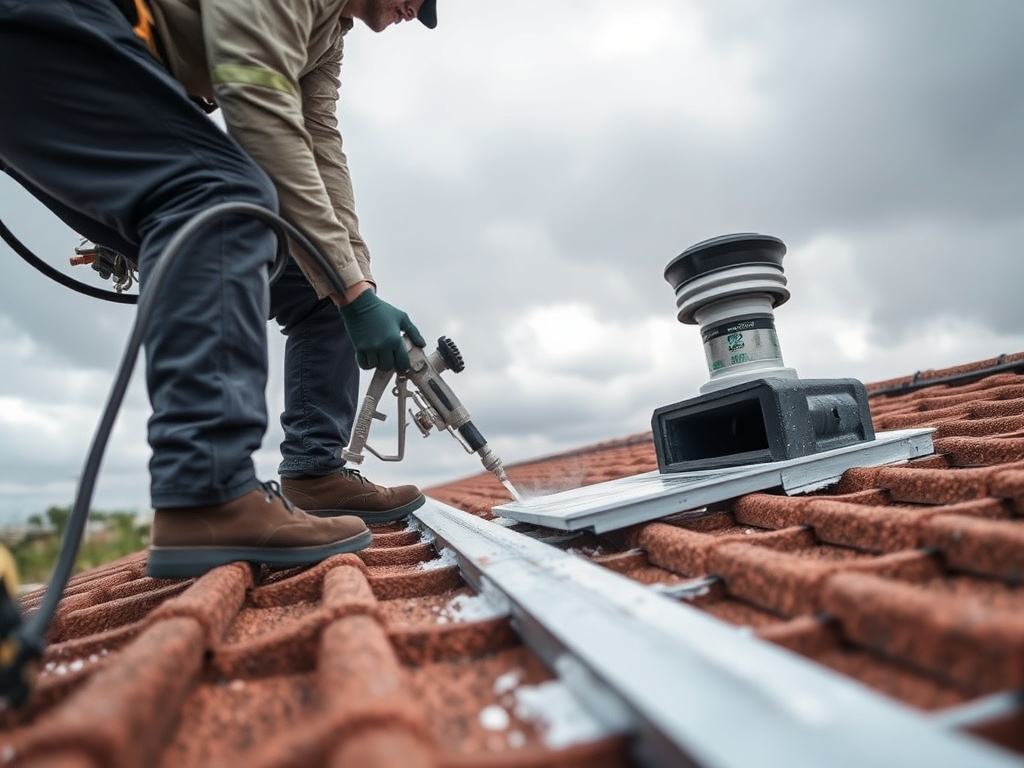
Active Leak? We Move Fast
Roof Leak Repair Phoenix — Spray Foam Fixes for Active Leaks & Ponding Water
Water coming through a ceiling, a stain spreading across drywall, or a rooftop unit surrounded by a dark ring — none of it waits for a convenient afternoon. We diagnose the actual source, not just the visible drip, and seal it with spray foam that bonds directly to your existing roof.
An active-leak page, not a general roofing page
Built for the roof leaking right now, not the one you'll get to eventually
Most of the calls that land on this page start the same way: a leak has already shown up somewhere inside the building, and the person calling needs to know two things — how fast someone can look at it, and whether it means a small fix or a much bigger one. This page answers both plainly. Foam-based leak repair is a targeted, spot-specific service that seals the failure at its actual source, and in the large majority of cases it doesn't require touching the rest of a roof that's otherwise performing fine.
If the leak is active right now, don't wait for the next scheduled maintenance visit. Call 844-967-5247 or start a free roof inspection request and tell us it's urgent — we work every city across the Valley, so check our service areas if you're not sure whether your address is in range (it almost certainly is).

How foam actually fixes a leak
Seams, penetrations, and ponding low spots — sealed, not just patched
Almost every roof leak traces back to one of three things: a seam or lap in a jointed roofing material that's worked open, a penetration — a vent stack, HVAC curb, skylight, or conduit run — where the flashing detail has failed, or a low spot where water sits long enough to find its way through a weakened membrane. Spray foam addresses all three the same way: it's applied as a liquid that expands and fully bonds to the substrate underneath it, so the repair becomes part of a continuous, seamless surface rather than a patch sitting on top of the problem.
That matters most on the roofs that don't have foam yet. A failed seam on a built-up or mechanically fastened roof is a structural gap — the fix has to physically re-lap or re-fasten jointed material. Foam doesn't have that limitation. A technician can open the failed area, dry the substrate, and spray foam directly into and over the gap, sealing a penetration or seam with the same monolithic membrane that covers the rest of a foam roof, without pulling up material that isn't part of the problem.
Ponding low spots get the same treatment with one added step: tapered foam is built up thicker around the perimeter of the wet area, correcting the slope so water actually drains instead of collecting there again next storm.
Monsoon season changes the math
A small weak point becomes a real leak the moment a haboob or a downpour finds it
Arizona's monsoon season runs a fixed, National Weather Service-defined window — June 15 through September 30 — and it's the single biggest reason a roof that's been fine for months suddenly isn't. A haboob rolling through can drop a wall of dust and debris across a roof surface, packing it into drains, scuppers, and any existing gap in a seam or flashing detail. When the downpour that often trails behind it hits, that debris-clogged low spot is exactly where standing water collects — and exactly where an existing weak point gets tested hardest.
A roof can carry a small, unnoticed flaw for a long time in dry weather and then fail the same week a monsoon cell rolls through with wind-driven rain and blowing debris. That's why we treat June through September differently: active-leak calls get prioritized, and we schedule fast-response site visits as soon as weather allows safe roof access, rather than slotting an urgent call in behind routine work.
108 Days
NWS monsoon window (Jun 15–Sep 30)
Same Day
Typical response, business hours
No Tear-Off
For most seam & penetration leaks
Valley-Wide
One crew, every city
Not every leak is a small one
When a leak call turns into a bigger conversation
A single point repair is the right answer for a single point failure. But if a roof has multiple leak calls in the same season, ponding water across more than one area, or a repair history in the same spot more than once, that's usually a sign the roof's underlying slope — or the roof system itself — is the real issue, not any one seam or penetration. We'll tell you which situation you're in before we recommend a fix, not after.

Repeat leaks or widespread ponding?
Tapered insulation rebuilds a dead-flat or negative-slope roof to actually drain, correcting the cause instead of chasing the next low spot.
See tapered insulation & ponding correction →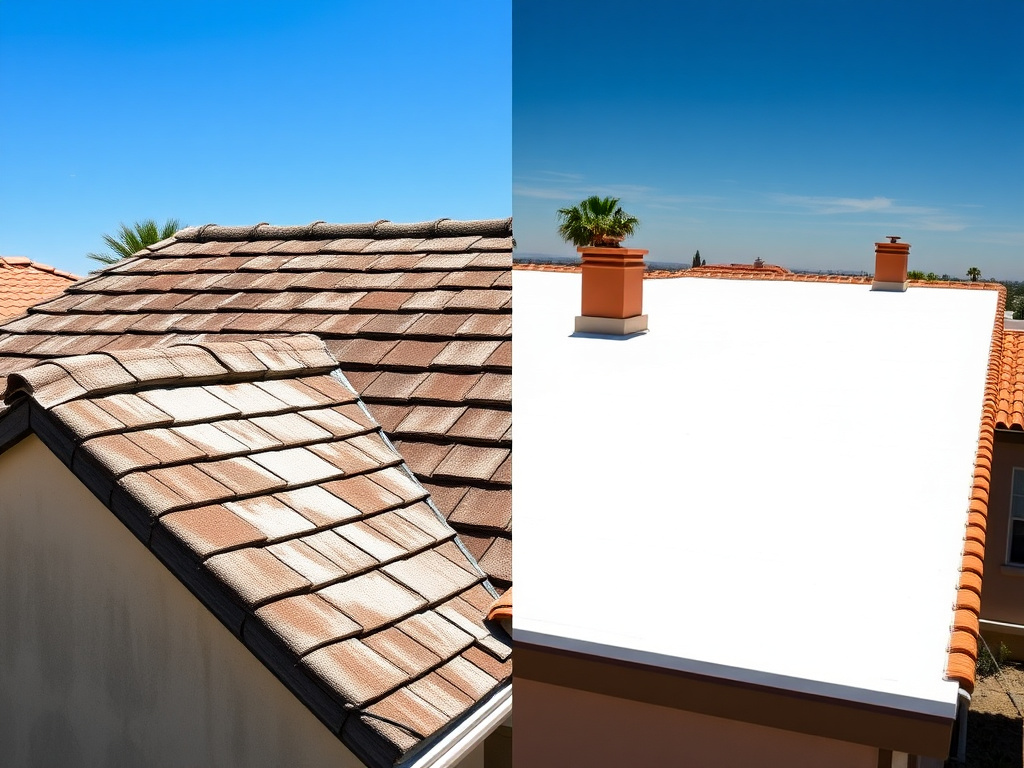
Wondering if foam is the right system at all?
An honest comparison of spray foam against traditional shingle, TPO/EPDM, and built-up roofing for Phoenix's heat and monsoon load.
Compare SPF vs. traditional roofing →How the repair runs
What the repair process looks like
Call It In
Tell us it's an active leak and roughly where it's showing up inside — that alone helps us prioritize the visit correctly.
Find the Real Source
A leak's entry point is often several feet from where water shows up inside. We trace it on the roof before we touch anything.
Prep the Area
The failed seam, penetration, or ponding low spot is cleaned and dried so foam bonds to sound material.
Foam & Reseal
Foam is sprayed into and over the failure point, rebuilding it as part of a continuous, seamless surface.
Verify & Walk Through
We check drainage and the repaired area with you and flag anything else worth watching before we leave.
Before you call
Quick answers about leak repair
More questions about cost, lifespan, and recoating are answered on the main FAQ page.
What should I do if my roof develops a leak during a monsoon storm?
+
Get water off the floor and away from electrical fixtures first, then call us. Don't wait to see if it stops on its own — a leak that shows up mid-storm almost always means an existing weak point in the membrane (a seam, penetration, or low spot) has already been found by wind-driven rain, and it will find it again in the next cell. We prioritize active-leak calls during the June 15-September 30 monsoon window and schedule a site visit as soon as conditions allow a crew safely back on the roof.
Can spray foam fix a leak without tearing off the whole roof?
+
In most cases, yes. Foam is applied as a liquid that expands and bonds directly to the existing surface, so a technician can cut out and reseal a failed seam, reseat and re-foam a leaking penetration, or rebuild a low spot with tapered foam — all without stripping the rest of the roof down to deck. A full tear-off only comes into play when the underlying substrate itself is compromised, which we'll tell you plainly if we find it.
How fast can you respond to an active roof leak in Phoenix?
+
Calls about an active leak get moved to the front of the queue, and a same-day site visit is typical during business hours. During peak monsoon weeks, volume runs higher across the Valley, so call as early in the day as you can — the earlier we know, the sooner we can get a crew on your roof.
Can spray foam repair a leak caused by standing or ponding water?
+
Yes, and this is one of foam's clearest advantages over seamed roofing. Because it's spray-applied at variable depth, a crew can build tapered foam directly into a low spot to correct the slope and stop water from sitting there in the first place, rather than just patching the surface symptom. If ponding is widespread rather than isolated to one leak point, that's usually a sign the whole roof needs tapered correction — see the ponding-water page linked below.
Have an active roof leak right now?
Tell us where the water is showing up and how long it's been happening. We'll prioritize the call and get back to you the same day, most of the time.